



Practical guide
SFA vs CRM: the difference in field sales
CRM manages customer relationships and interaction history, while SFA manages field sales execution: routes, visits, orders and verified activity in the retail outlet. The two can work together when each process and data set has a clear owner.
- For commercial directors
- SFA: field sales automation
- Liqui Moly: prices, stock and orders at the outlet
In detail
CRM usually answers relationship questions: who contacted the customer, what request is open and how an opportunity is progressing. Distribution needs another layer because the commercial result is created through repeated work inside retail outlets.
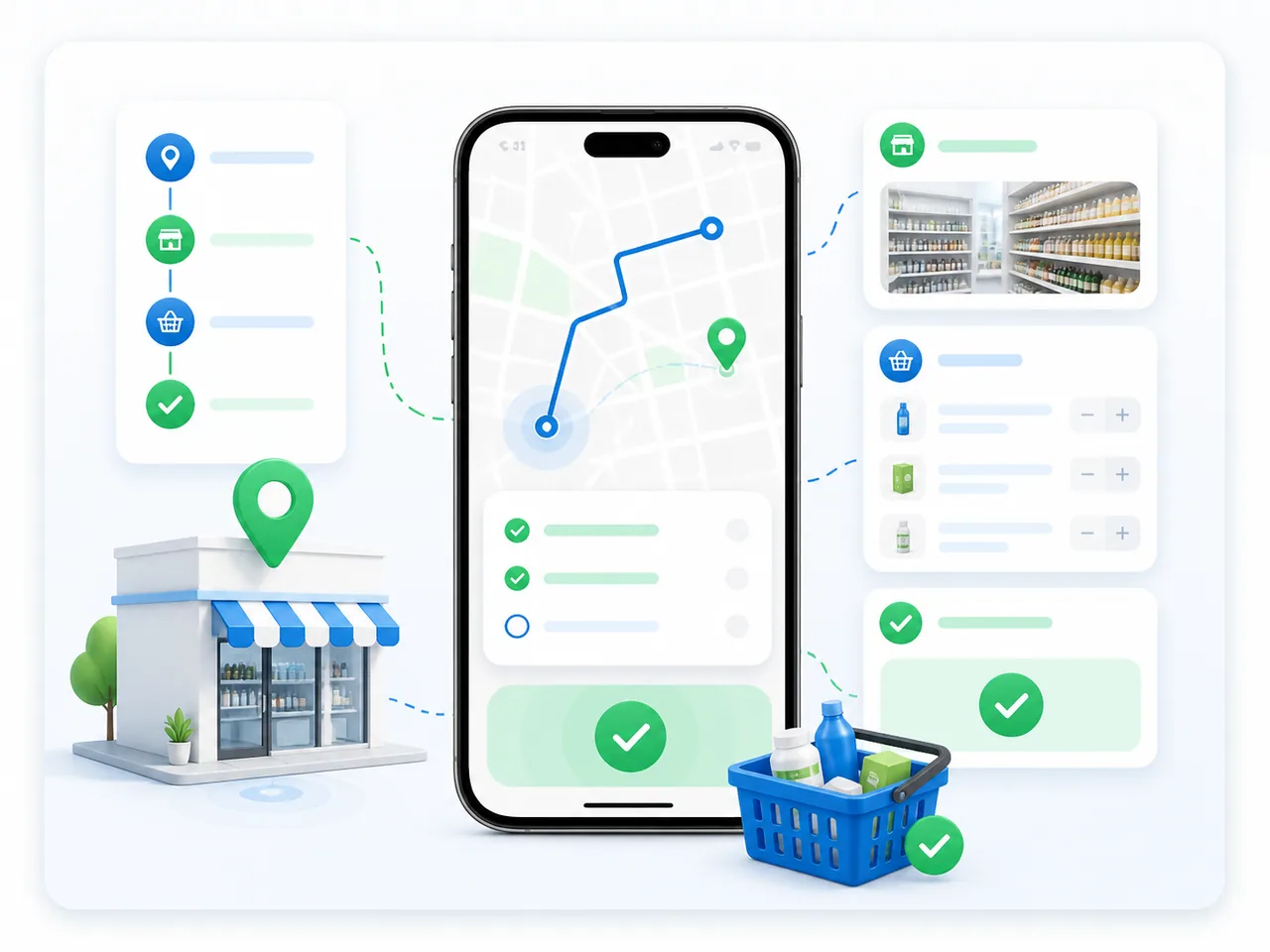
SFA describes that work: where a sales representative should go, what task should be completed, which order was captured and what evidence remains after the visit. A feature checklist alone cannot define the boundary; the key question is where the original execution record is created.
In a connected architecture, CRM can remain the home for communication and customer history, while SFA owns field activities and order capture. Data should cross the boundary when the next process needs it, rather than being copied wholesale between systems.
How it is applied
- Map the journey from assigning an outlet to a representative through to a verified visit and order.
- For each step, name the system in which the original record is created and the role accountable for its quality.
- Separate master data, field events, commercial agreements and final accounting documents.
- Exchange only the events required by the next process and define how synchronisation errors are reviewed.
Practical checklist
- Routes, visits and orders each have one agreed system of record.
- The field team does not enter the same fact again in another system.
- Managers can see verified outlet activity, not only a customer contact.
- The integration boundary is documented before implementation begins.
Scope and limits
SFA does not replace every CRM capability, and CRM alone does not verify field execution. The right architecture depends on the company’s processes, roles and existing systems.