



Practical guide
Distribution route planning: from rules to execution
Distribution route planning turns retail outlets, tasks, time constraints and available resources into an executable visit or delivery plan. It becomes useful when the plan is connected to actual execution and structured reasons for deviation.
- Distribution Group Management
- Warehouse Operations and Inventory Management
- Durust: mobile orders, field routes and payment records
In detail
Addresses alone are not enough to build a workable route. Planning also needs coordinates, outlet availability, task duration, working time, vehicle or employee characteristics and the commercial priority of each customer. A source-data defect can look like an algorithm defect.
A field sales route and a delivery route share geography but not the same constraints or completion event. A visit ends with a commercial task in the outlet; a delivery ends with the handover of specific goods and documents. Combining the models without an explicit boundary creates operational ambiguity.
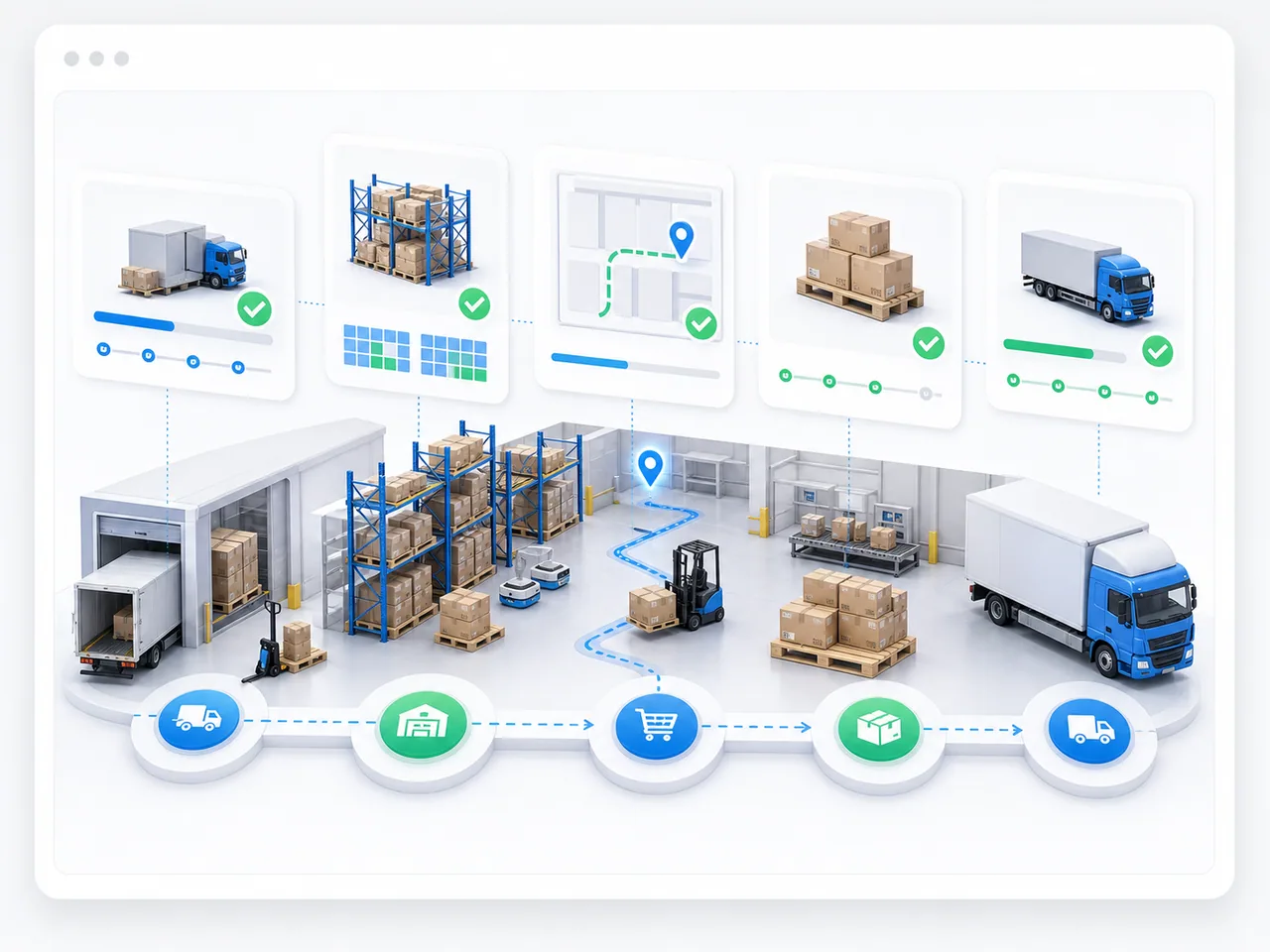
Planning is a loop: prepare the data, build the plan, review exceptions, publish assignments, capture actual execution and analyse deviations. The next cycle should use corrected data rather than simply repeat the previous calculation.
How it is applied
- Validate coordinates, calendars, task duration, priorities and resource constraints.
- Group outlets into executable assignments under the agreed rules and available capacity.
- Review exceptions and publish only the approved plan to the field or delivery team.
- Link each completed or missed visit or delivery to the plan, time and deviation reason.
- Return data defects and recurring exceptions to their owners before the next planning cycle.
Practical checklist
- Outlet coordinates and opening hours have been reviewed.
- Hard constraints are separated from planning preferences.
- Each employee receives only the approved assignment version.
- Reasons for missed work and deviations are captured as structured data.
Scope and limits
This article describes a route-management method; it does not define a standalone optimisation product or predict the result of a specific operation. Supported constraints, transport scenarios and logistics scope must be confirmed for the implementation.